← Muddy Walk Notes · 21 October 2026
How to clean muddy dog paws (without wrecking the hallway)
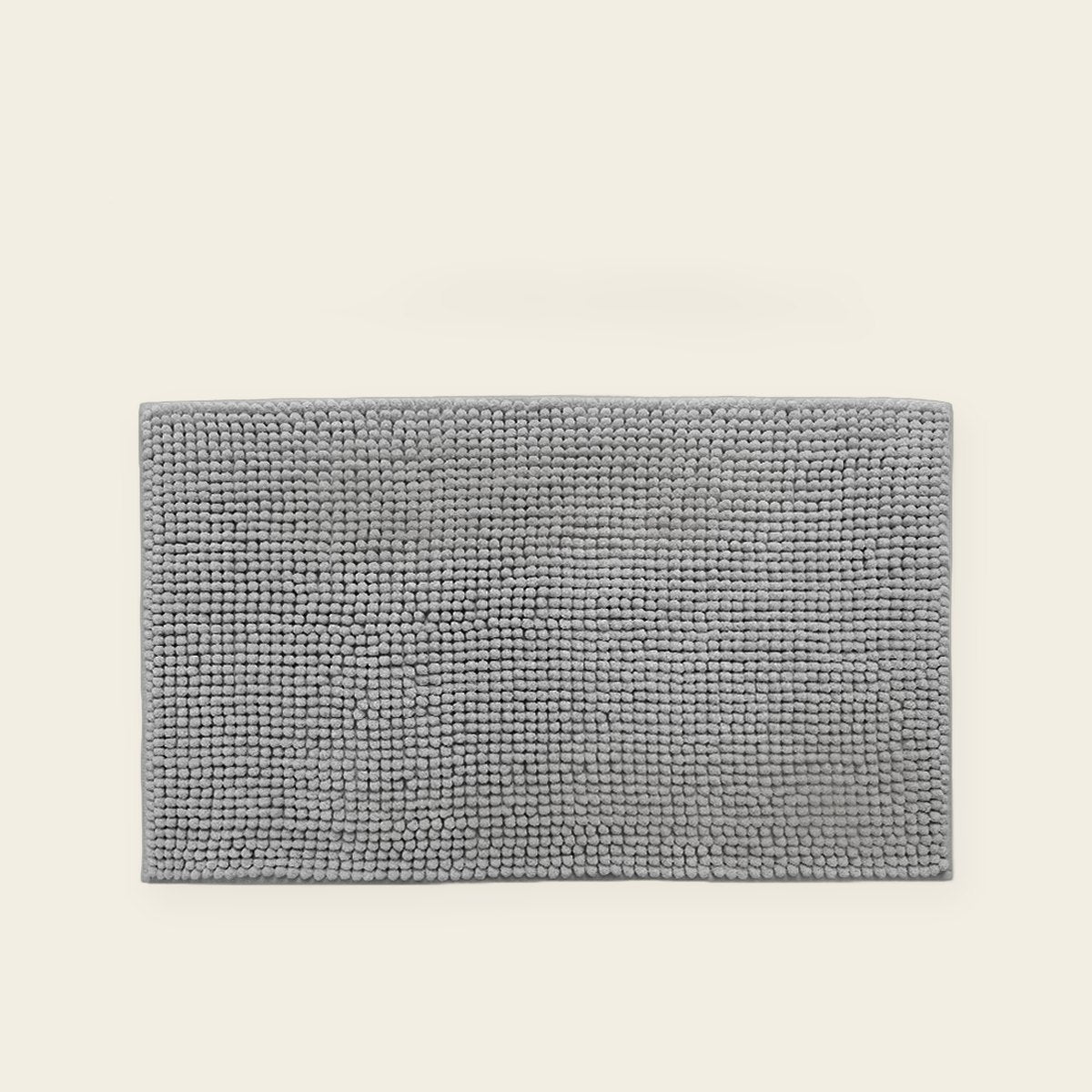
If you walk a dog anywhere in the UK between October and April, you already know the routine: a lovely walk, a field that turned out to be wetter than it looked, and then a dog who wants to sprint straight from the front door to the sofa. This guide covers what we've found works for cleaning muddy paws quickly, calmly and without turning the hallway into a mud bath.
1. Set up the "clean-up zone" before you leave
The single biggest difference is having everything ready before the walk, not hunting for a towel while your dog drips on the floor. Pick one spot just inside the door (or in the porch, utility room or boot room if you have one) and keep these there:
- An old towel or a dog towel that lives by the door and nowhere else
- A paw cleaner cup or a small bowl, ready to fill with lukewarm water
- A second towel for the body, if your dog gets muddy above the ankles
- A few treats in a lidded pot
- A washable mat or old towel on the floor to stand on
If you like a checklist on the wall, our printables include a Muddy Paws Cleaning Routine you can pin by the door.
2. Keep the lead on until paws are done
It sounds obvious, but the moment the lead comes off, most dogs are gone. Keep the lead on (or a hand on the harness) as you come through the door, ask for a sit or a stand on the mat, and only let go once paws are clean. It also stops a wet dog shaking all over the walls before you've had a chance to towel them.
3. Knock off the worst of it outside
Thick, wet mud is much easier to deal with if you take the worst of it off outside. A few options:
- Let your dog walk through wet grass for the last few minutes of the walk.
- Give legs and paws a quick wipe with an old towel at the car or the garden gate.
- If the mud has dried, a firm brush outdoors removes a lot of it before you come in.
4. Wash paws one at a time
For each paw, lift gently, dip it into lukewarm water and move it around so the water gets between the toes and pads. A paw cleaner cup with soft silicone bristles inside does this without splashing water everywhere: add water, put the paw in, rotate gently, lift out. A small bowl and your hand works too, it's just messier.
A few tips that make it easier:
- Use lukewarm water, not hot. Cold water from an outdoor tap in January is no fun for anyone.
- Change the water once it's very muddy, or you're just painting mud back on.
- Start with the paw your dog is happiest about, and do the fiddly ones last.
- Choose a cup size that fits your dog's paw comfortably, and stop if your dog seems uncomfortable.
5. Dry properly, especially between the toes
Damp paws track water and grit across the floor, so drying matters as much as washing. Press the towel around each paw and between the toes rather than rubbing hard. Then give the legs, belly and chest a rub, as these pick up a surprising amount of mud on low-slung dogs and long-coated breeds.
A dedicated absorbent towel helps a lot. We keep an absorbent microfibre dog towel by the door for exactly this, and a second one in the car. Have a look at our Muddy Paws collection for the towels, mats and other clean-up kit we stock.
6. Check paws while you're down there
Cleaning time is a good moment for a quick look. Check for grit, thorns or burrs caught between the pads, and anything stuck in long fur around the feet. In winter, it's sensible to rinse off any de-icing grit picked up on pavements and roads. If you notice cuts, redness, swelling, limping, or your dog licking a paw a lot, ask your vet rather than trying to treat it yourself.
7. Make it something your dog doesn't mind
Most dogs tolerate paw cleaning far better if it's predictable and rewarded. Keep it short, use the same spot and the same order each time, and give a treat and some praise once all four paws are done. If your dog is worried about having paws handled, practise on dry, clean days first: touch a paw, treat; lift a paw, treat; dip a paw in an empty cup, treat. Build up slowly.
8. Protect the floor and the sofa anyway
Even with a good routine, some mud gets through. A washable mat at the door, a throw or blanket on your dog's favourite sofa spot, and a hair roller for the bits that end up on cushions all help. Our Clean Home collection brings together the kit we stock for this, including our reusable pet hair remover roller.
9. Deal with the muddy towels
Muddy towels are the bit everyone forgets. Shake off dried mud outside first, then wash them separately from your own laundry. Leaving them in a damp heap is how the "wet dog" smell takes over the utility room, so hang them up to dry if they can't go straight in the wash.
A quick after-walk routine
- Lead stays on. Dog stands on the mat.
- Wash each paw in lukewarm water.
- Dry paws and between the toes, then legs, belly and chest.
- Quick check for grit, thorns or sore spots.
- Treat and praise. Lead off.
- Muddy towel straight in the wash basket.
Done this way, the whole thing usually takes a couple of minutes, and the hallway stays a hallway. If you'd like the kit in one place, start with our Muddy Paws collection. UK delivery is free on orders over £50.
More field notes